BSc (Hons) in
Economics and its Pathways
Understand the interactions between the economy and the financial system, equipping yourself with theoretical knowledge and practical tools for success in economics, finance, and data-driven professions.
WIUT Business School
COURSE OVERVIEW
The BSc (Hons) in Economics and its Pathways course has been designed to give students an education in the key areas of the disciplines of economics, finance, and data science. The course enables students to understand the interactions between the economy and the financial system, providing an understanding of theories, tools, and techniques, fitting them to pursue a career in economics, finance, data science and other related areas. The combination of economics (major) with finance (minor) and data science (minor) provides an excellent platform for WIUT graduates to become successful in competitive job markets.
This programme is designed to prepare students for the realities of today’s fast-changing world of economics, finance, and digital innovation. The focus is not only on theory, rather on learning how to apply knowledge and skills to real challenges, from analysing financial markets to shaping economic policy.
The course allows students to tailor their learning by exploring specialist areas such as international and development economics, labour economics and green economics, behavioural economics, banking and finance, data science, and machine learning. The result is a degree that combines rigorous academic training with practical experience, preparing them to graduate with the confidence, technical expertise, and professional insight to thrive in careers across finance, economics, data analysis, and policy, or to continue studies at the postgraduate level.
WHAT YOU NEED TO KNOW
Award Title
Bachelor of Science (Hons)
Validated by the University of Westminster, UK, and accredited by the National Quality Assurance Agency for Education under the Administration of the President of the Republic of Uzbekistan (NQAAE).
BSc (Hons) in Economics with Data Science
Validation Certificate | Accreditation Certificate
BSc (Hons) in Economics with Finance
Validation Certificate | Accreditation Certificate
Start Date
September (each academic year)
Duration
3 years (full time)
Tuition Fees
Domestic - 38,820,000 UZS /per year
International - 54,600,000 UZS /per year
HOW YOU WILL STUDY
The course emphasises active student learning through seminars and lectures (including virtual), computer-lab and financial markets suite workshops, problem-based and blended learning activities designed to engage your interest. Course material will be provided through the online learning platform and is an important resource base for you, which you can access at any time and from anywhere by having access to the internet. The platform also provides a channel of communication between you and your Module Leader through blogs. This ensures a student-centric approach, focusing on your abilities, needs and learning styles, where the module leader is a facilitator of your learning.
Seminars and workshops are provided each week to provide a stimulating environment for you to work through examples and case studies, experiment with hands-on solutions in the labs, engage in group discussions or online discussions, and gain immediate feedback and support from teachers. In addition, you will be provided with a range of additional resources, which can be accessed through the University's online learning content management system, and textbooks, academic journals, and other materials available in the University’s learning resource centre, and software systems are provided in the computer labs.
- Year 1 (Level 4): 100 core credits + 20 credits of optional/elective modules build your foundation in economics, quantitative skills, and business literacy so you can interpret real data, read financial statements, and apply basic models with confidence.
- Year 2 (Level 5): 80 core credits + 40 credits of optional/elective modules deepen your analytical toolkit, preparing you to test hypotheses, model relationships, and make evidence-based financial decisions in more complex, real-world contexts.
- Year 3 (Level 6): 80 core credits + 40 credits of optional/elective modules, refine your expertise and professional focus through advanced study of economics, finance, and data science.
COURSE STRUCTURE
Please note: Not all option modules will necessarily be offered in any one year. In addition, timetabling and limited spaces may mean you cannot do your first choice of modules.
WHY CHOOSE ECONOMICS AT WIUT?
Quality of Teaching – Course modules are taught by outstanding experienced professionals who mainly hold PhD degrees from international universities.
Professional Development – While studying, students go through rigorous theoretical and practical training, which makes them highly competitive in the job market.
Employment Opportunities – There is high demand for WIUT’s BSc (Hons) in Economics and its Pathways graduates since their professional performance is highly valued in the workplace by employers and other stakeholders.
EXTERNAL ENGAGEMENT
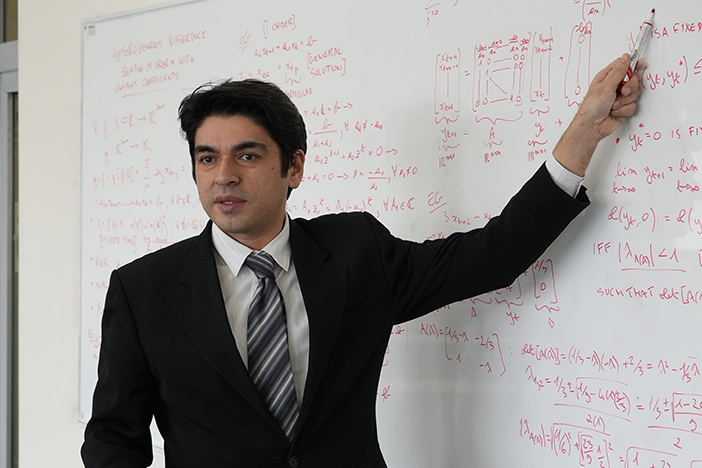
The course integrates external engagement opportunities that prepare students to connect theory with practice, gain industry exposure, and develop the skills needed to thrive in today’s competitive job market. Our students benefit from:
Guest lectures from professionals in economics, finance, data science, and public policy, offering real-world insights into global and local economic challenges.
Field trips to banks, research centres, and organisations, allowing students to observe how economic and financial theories are applied in practice.
Industry-focused assessments, including case studies, policy analysis, and consultancy-style projects using actual datasets.
Research and employer feedback events, such as project showcases, dissertation presentations, and seminars with external experts.
ASSESSMENT METHODS
The course offers a variety of assessments to students that are appropriate to learning outcomes and the level of study. The course strives to develop effective approaches to assessment, both formative and summative, taking into consideration the variety of modules within the course, such as level, length, and type of module. The formal summative assessment of knowledge and understanding is mainly by written examinations and assignments, and to some extent, oral presentations. All modules provide for a variety of assessments, including presentations (group and individual), essays, reports, problem-based assignments, in-class tests, timed exams and debates.
Assessment is an important part of your learning process. Combined with a student-centred approach to teaching and learning, it aims to promote initiative and creativity, critical thinking, structure of coherent arguments, evaluation, research and analysis, professional communication skills, effective group work, personal reflection, time-management, the ability to meet deadlines, and the ability to work under pressure.
ENTRY REQUIREMENTS
(2026-2027 Academic Year)
We are committed to delivering a professional, fair, and transparent admissions process that ensures equal opportunity for all applicants. Our aim is to connect students with courses that align with their goals and their ability to meet academic and professional standards. Find out more Admissions policy and Terms and conditions.
-
Applicants should satisfy at a minimum one of the following requirements:
- Successful completion of an appropriate International Foundation course; or
- Successful completion of the first year of an appropriate degree course in a recognised Uzbek or similar university; or
- Two GCE A level passes (only subjects directly relevant to the field of study applied for. The University reserves the right to assess the suitability of subjects presented and to determine their alignment with programme entry requirements), plus three GCSE passes at grade C or above including English Language and Mathematics; or NC/ND or HNC/HND. The range of academic disciplines studied is not hereby restricted, but certain vocational courses such as City and Guilds would not satisfy the admissions requirements; or
- An Advanced General National Vocational Qualification (GNVQ); or
- Any other equivalent qualification normally accepted as entry requirement (e.g. International Baccalaureate, etc.).
-
Applicants must have:
- Had their secondary education through the medium of English and gained grade C or above in the equivalent of GCSE English; or
- IELTS score of 6.5 with a minimum of 6.0 in the writing component; or
- Successfully completed an appropriate International Foundation course with a "pass" in an Academic English module.
We accept the TOEFL (IBT (In person test) for entry to our programmes. We also accept TOEFL ‘My Best Scores’ where it relates to TOEFL iBT test results.
Please note that the TOEFL Home Edition (Online test) is not accepted for entry to WIUT degree programmes.
- TOEFL should be 85 overall with a minimum of 22 in Writing
-
Age requirements
Applicants will have to be 18 years of age at the start of the academic year. For the purposes of this regulation, the academic year runs from 1st October to 30th September of the following year.
Applications are normally processed based on the documentation submitted on the WIUT admissions system. The University reserves the right to introduce other admission processes such as an interview.
-
Applicants must have an acceptable level of competence in Mathematics. This could be demonstrated by one of the following:
- A "pass" in a maths test approved by the University of Westminster (UK); or
- Grade C or above in GCSE/’O’ Level Mathematics (or its equivalent); or
- SAT mathematics component 570; or
- Successful completion of an appropriate International Foundation course with "pass" in Quantitative Methods module.
GLOBAL OPPORTUNITIES: EXCHANGE PROGRAMME IN GERMANY
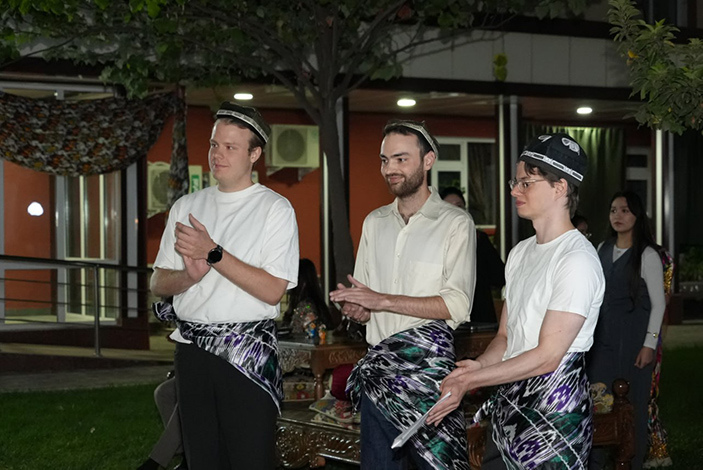
The BSc (Hons) in Economics and its Pathways degree at WIUT offers students the opportunity to study abroad through the Student Exchange Programme. Economics students may spend a semester at Freie Universität Berlin, one of Europe’s leading universities renowned for its excellence in economics, social sciences, and international research.
This international experience enables students to expand their academic knowledge, gain cross-cultural perspectives, and build valuable global networks. Credits earned abroad are fully recognised at WIUT, ensuring a smooth continuation of studies while working toward a prestigious UK degree. Find out more at Student Exchange Programme.
OUR GRADUATES WORK AT








CAREERS
The course provides students with opportunities to develop soft and hard skills, which are highly demanded in the labour market. Some students obtain part-time employment during their studies or summer holidays. Working within the industry in a real-life situation is not only invaluable in terms of developing professional skills but also helps to raise confidence. Interacting with the workplace while studying helps students prepare for a future career and reflect on their knowledge they obtained during the course.
The modules of the programme provide students with the opportunity to develop specific skills. In particular, core modules promote the practical skills in quantitative analysis to collect and analyse data, design surveys, detect trends, develop forecasts and relationships and communicate the results to use in conducting economic policy, tackling financial and economic problems, evaluating investment projects, and making recommendations for ways to improve efficiency. The optional modules at higher levels encourage students to critically evaluate and apply economic models to a wide range of economic and financial issues, and compare and contrast alternative economic policies.

COURSE LEADER
She holds both her Bachelor’s and Master’s degrees from Westminster International University in Tashkent and has nearly a decade of experience in higher education. She teaches Economics, Econometrics and Quantitative Methods and has extensive experience in undergraduate research supervision. Her work focuses on supporting students’ academic development and enhancing the quality of teaching and learning. As Course Leader, she works closely with colleagues and students to further develop the Economics with Pathways programme and strengthen the overall student experience.
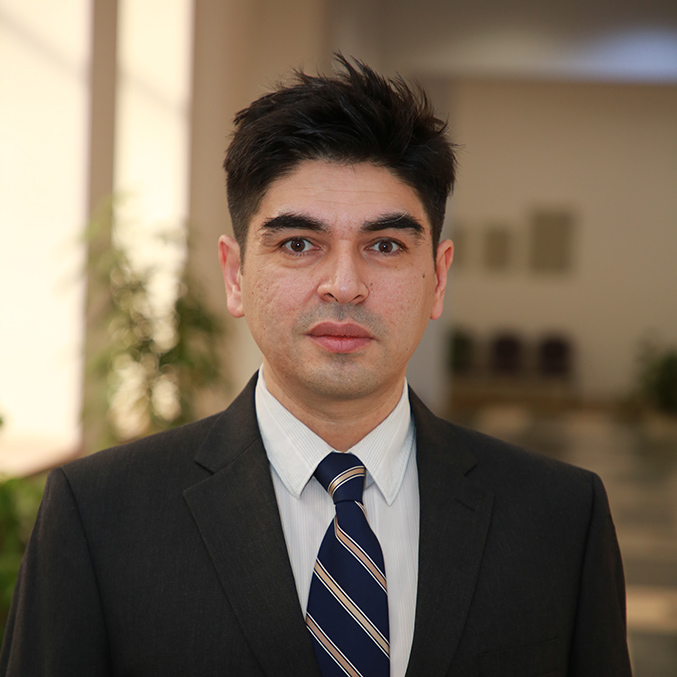
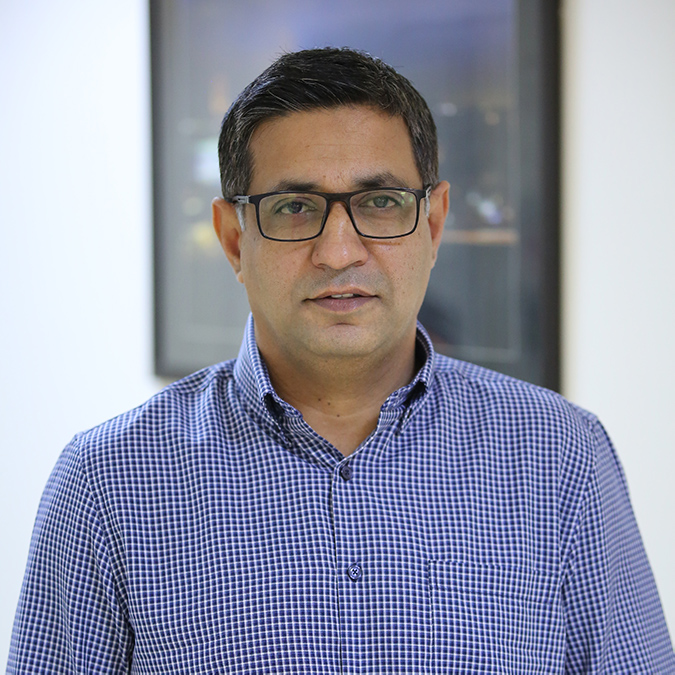
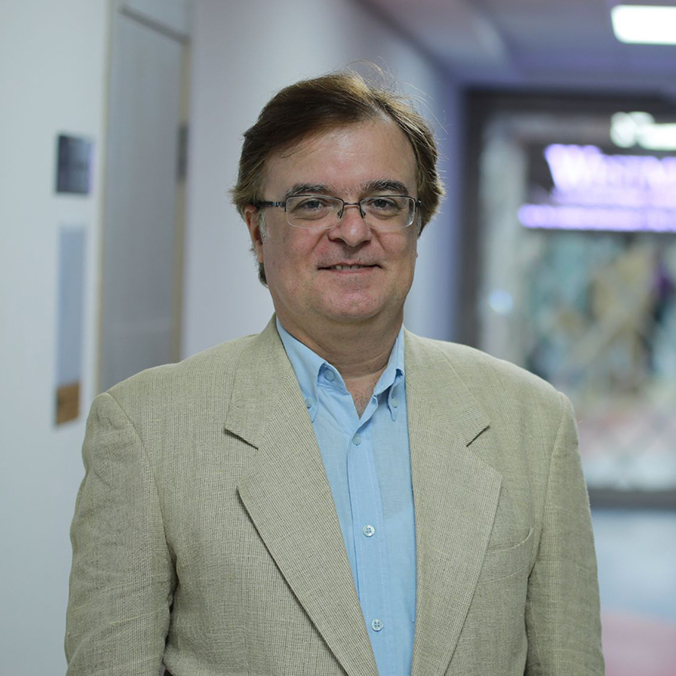
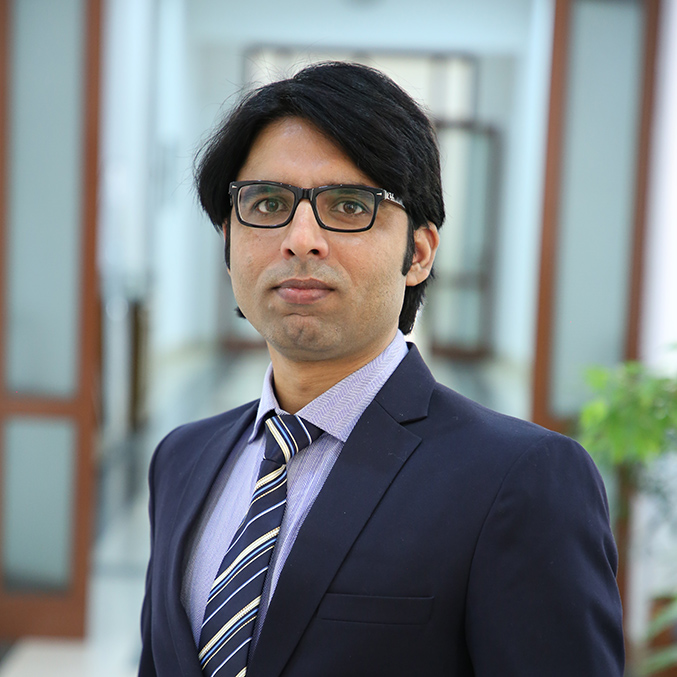
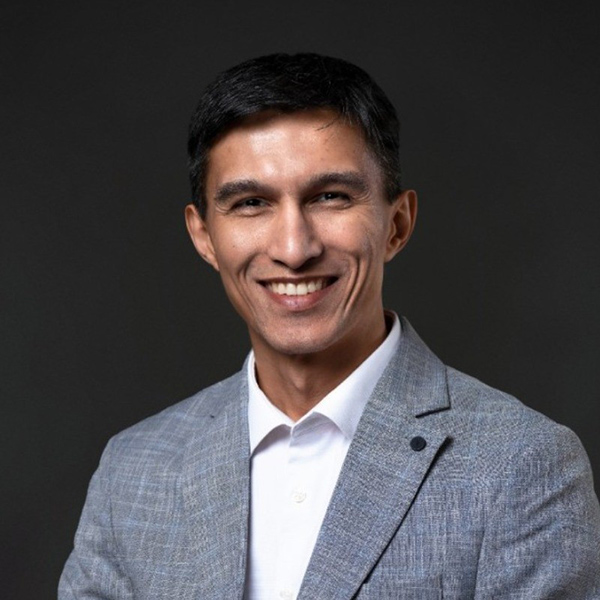
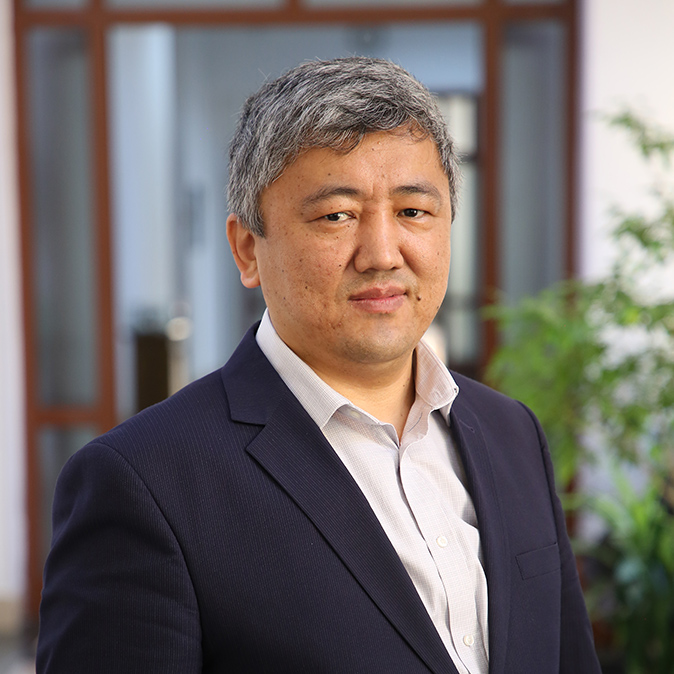
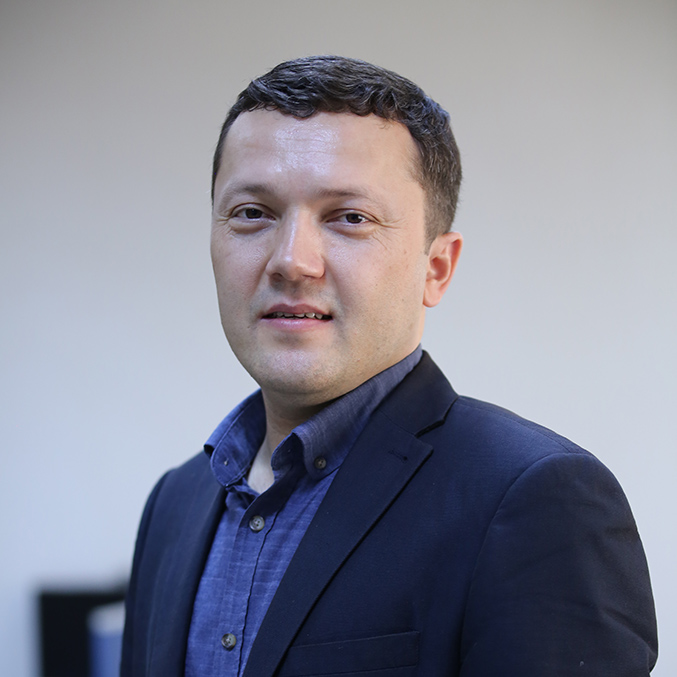
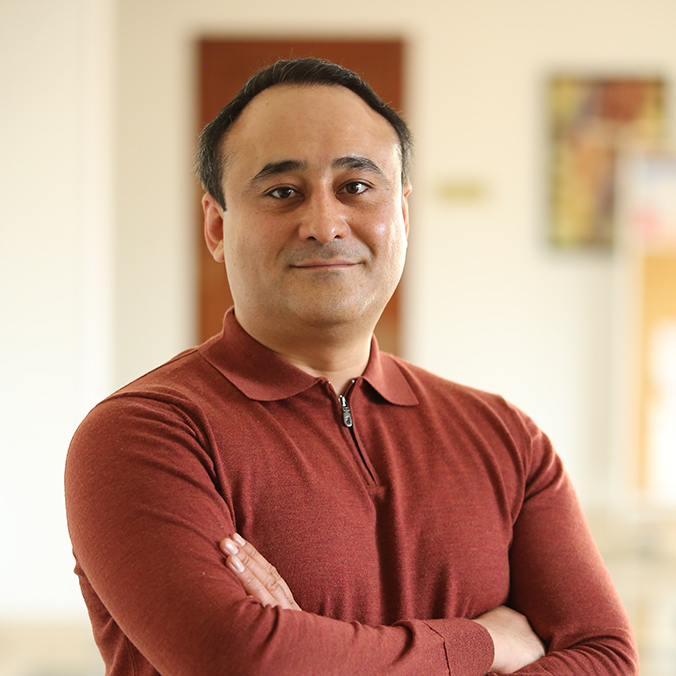
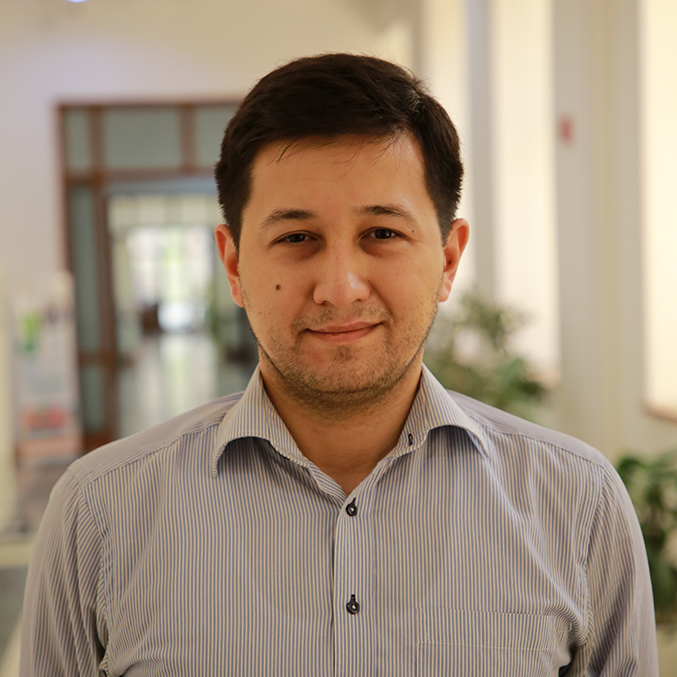
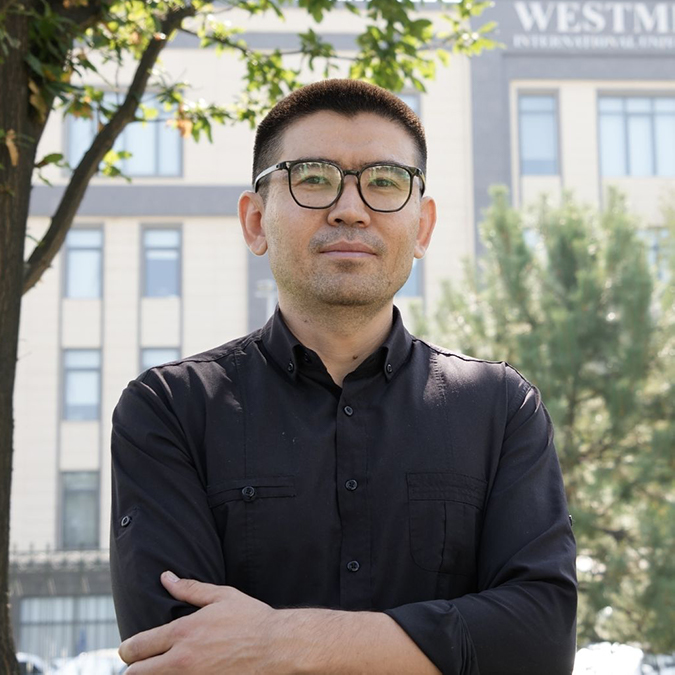
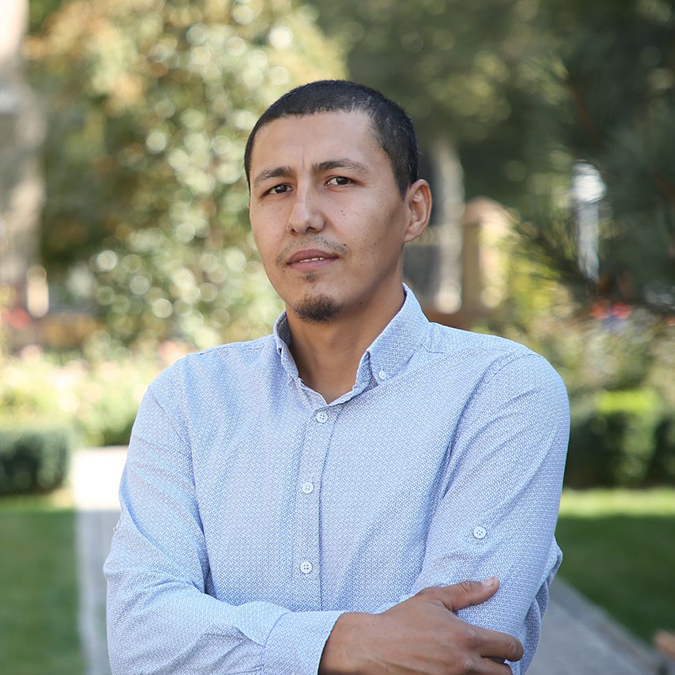
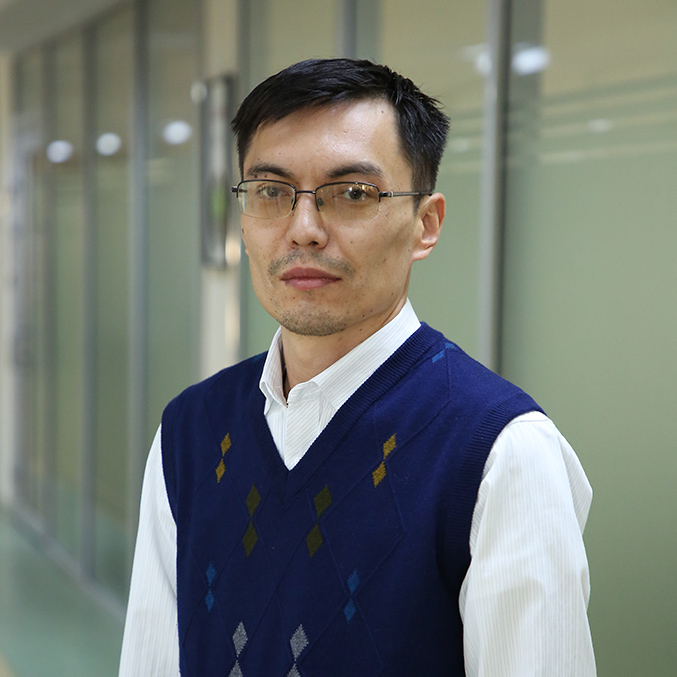
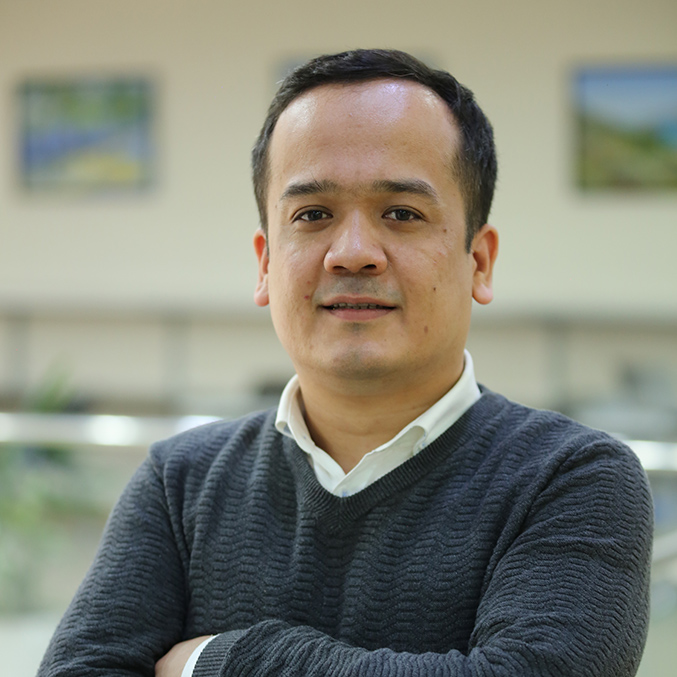
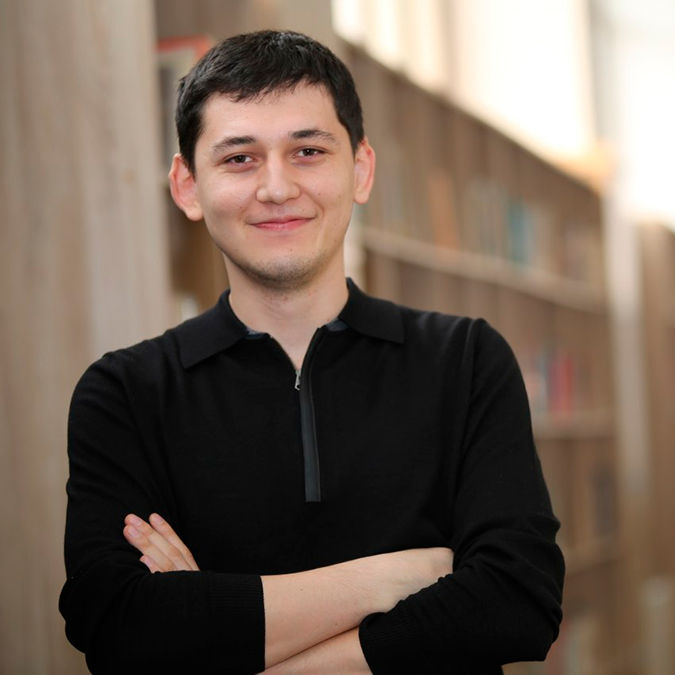
TAUGHT BY TEAM OF EXPERTS





WHAT OUR GRADUATES SAY

Senior Specialist in the National Agency for Social Protection (NASP) Tashkent, Uzbekistan

Financial Analyst in Durham University Durham, UK

Senior Investment Analyst at UzOman Investment Company Board of Directors Member at Samarkand Darvoza
TAKE THE NEXT STEP
Are you considering Westminster International University in Tashkent but unsure where to begin?
Our admissions counsellors are available to assist you. Have all your queries addressed to make an informed decision about your future.
RELATED PROGRAMMES

MSc in
Applied Economics
Gain knowledge of economic theory and practice. Build skills for policy and consultancy.

MBA and
its Pathways
Study MBA programmes for professionals and graduates. Develop leadership and strategic business skills.